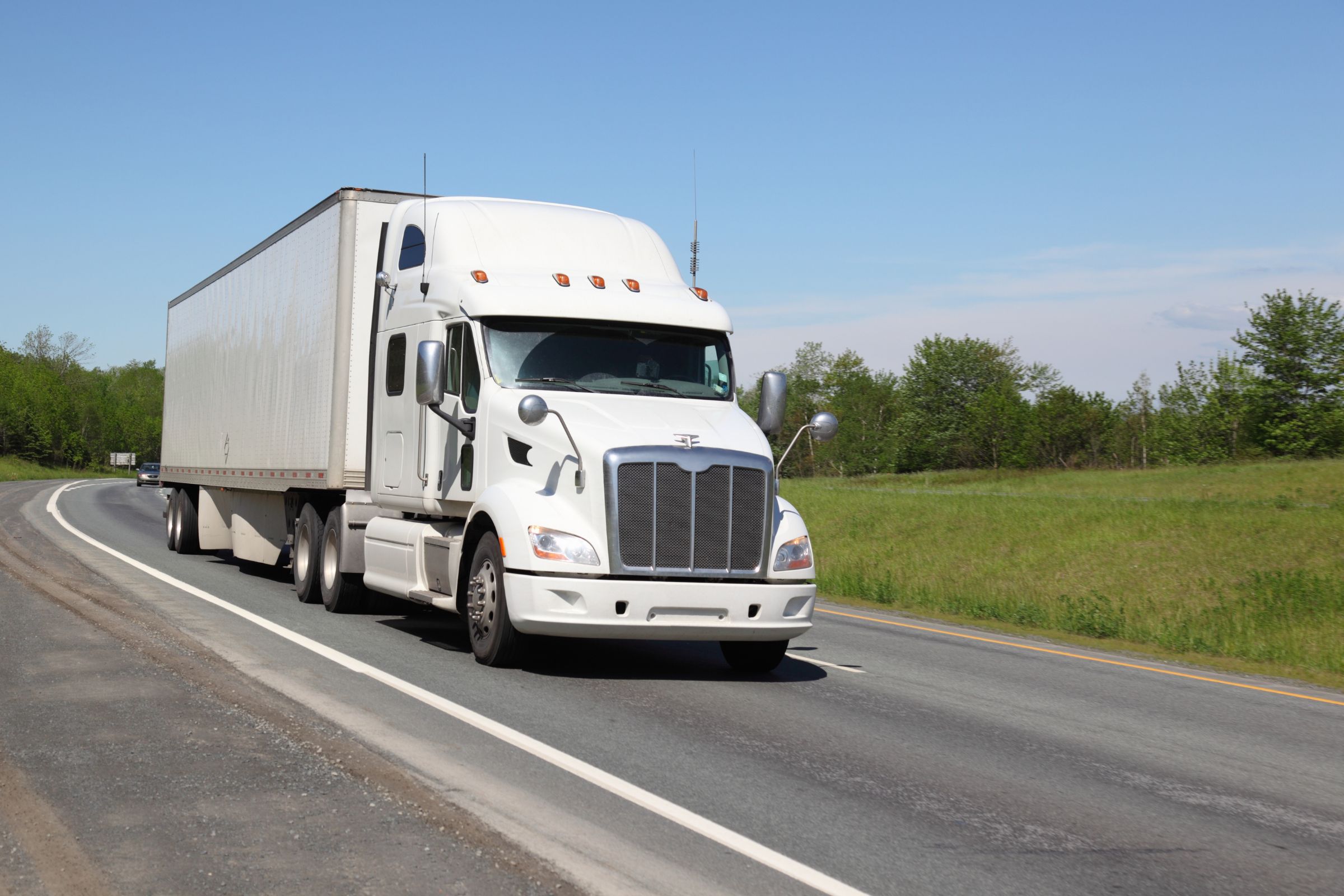
CDL Training vs. On-the-Job Training: Which Path Is Right for You?
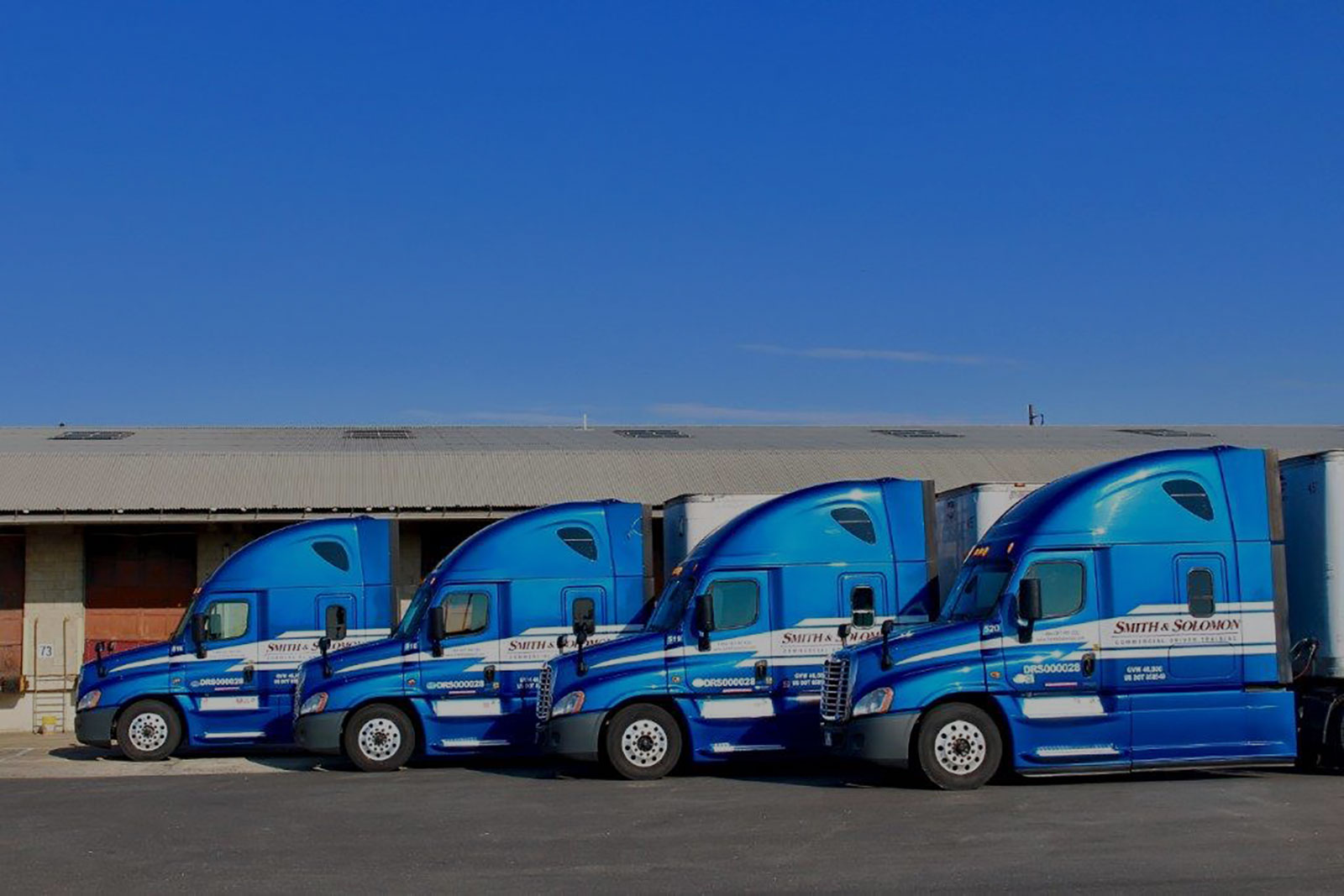
Starting a career in trucking feels like standing at a fork in the road. One path leads to a CDL driving school with structured classes, while the other takes you directly into a paid role through on-the-job truck driver training. Here’s a clear, practical breakdown to help you choose.
A Complete Guide to CDL School Programs
A CDL school focuses on the CDL certification process from day one, including permit preparation, classroom theory, range skills, and supervised road time. Quality truck driving school programs teach essential topics such as safety, vehicle inspection, shifting, backing, and trip planning, ensuring you are both test-ready and road-ready.
Weighing the Pros and Cons of CDL Training Programs
Pros
- Comprehensive and standardized education focused on fundamentals
- Time to build confidence without production pressure
- Often faster completion (weeks rather than months)
- Wider job options after graduation, leading to various trucking industry career opportunities
Cons
- Upfront tuition
- No paycheck during training
Local access is important as practice hours accumulate. Many students look for CDL training near Bordentown, NJ, or New Castle, DE, to minimize commute time, while others prefer Dupont, PA, for range practice and testing.
Earn and Learn: The Benefits of On-the-Job Truck Driver Training
On-the-job truck driver training is offered by a carrier that hires you as a trainee. After attending orientation, you will run real routes with a trainer, allowing for hands-on learning while earning income.
Pros
- Little to no out-of-pocket costs for CDL license training
- Immediate income at a trainee rate
- Direct exposure to company equipment and operations
Cons
- Curriculum is often narrow, concentrated on one carrier’s procedures
- Training may involve a contract that limits flexibility
- Switching companies early can be costly or complicated
Many who live near Linden, NJ, or Deptford, NJ, appreciate OJT for the paycheck, while those around Norristown, PA, or Philadelphia, PA, may prefer a broader classroom education first.
CDL Training vs On The Job Training Comparison
| Factor | CDL School | On-the-Job Training |
|---|---|---|
| Cost & Financing | Tuition/fees; financing or aid may be available | Minimal upfront; contract likely |
| Depth & Breadth | Broad fundamentals + test prep | Practical, company-specific |
| Time to Completion | Often weeks to licensure | Varies; tied to trainer and freight |
| Career Flexibility | Choose among many carriers. | Bound by contract initially |
| Long-Term Earnings | Strong base to shift into regional/OTR/specialties | Builds tenure within one system |
Key Questions to Consider Before Choosing CDL Schools or Company Training
For CDL schools
- What’s the total cost, and are payment plans available?
- What are first-time test pass and graduation rates?
- How many road hours are included, and how is testing scheduled?
- Is there job placement support with multiple carriers?
For Company Training
- How long is the contract, and what are the early-exit terms?
- What’s trainee pay vs. pay after upgrade?
- Which routes, schedules, and freight types will you run?
Navigating Your CDL Career: School vs. On-the-Job Training
Both pathways can launch a successful career. If you value structured learning, quick readiness for testing, and the freedom to compare carriers, CDL training at a school may be the best fit. If you need immediate earnings and are comfortable committing to one employer, on-the-job training works well.
Smith & Solomon offers professional CDL training, license training, and industry-recognized truck driver training programs designed to prepare you for real-world driving and long-term opportunities in the trucking industry. Whether you’re considering the difference between CDL school and trucking company training or ready to compare paths, reach out to us today to get started on your trucking career journey!
FAQs
How long does CDL training take compared with OJT timelines?
Typically, CDL school training lasts about 3 to 8 weeks, depending on the program’s intensity and scheduling. In contrast, on-the-job training (OJT) timelines can vary significantly based on freight needs, trainer availability, and company policies.
How much does CDL school cost, and is company-sponsored training really free?
The cost of CDL school generally ranges from approximately $3,000 to over $10,000, which covers tuition and fees. While company-sponsored CDL training may reduce upfront costs, it often comes with contractual obligations for employment after graduation.
Do you get paid during CDL training or only with OJT?
Yes, some company-sponsored CDL programs offer a stipend to trainees during CDL training. On the other hand, traditional CDL schools rarely pay students, although some carriers may reimburse tuition after the student is hired, depending on the company.
What is ELDT, and do I need ELDT for a CDL?
Entry-Level Driver Training (ELDT) is a federal training requirement that serves as a baseline for new drivers. To qualify for specific CDL credentials, you must complete both approved theoretical training and behind-the-wheel training with a registered provider before taking the CDL test.