How to Get a CDL in Pennsylvania: A Step-by-Step Guide
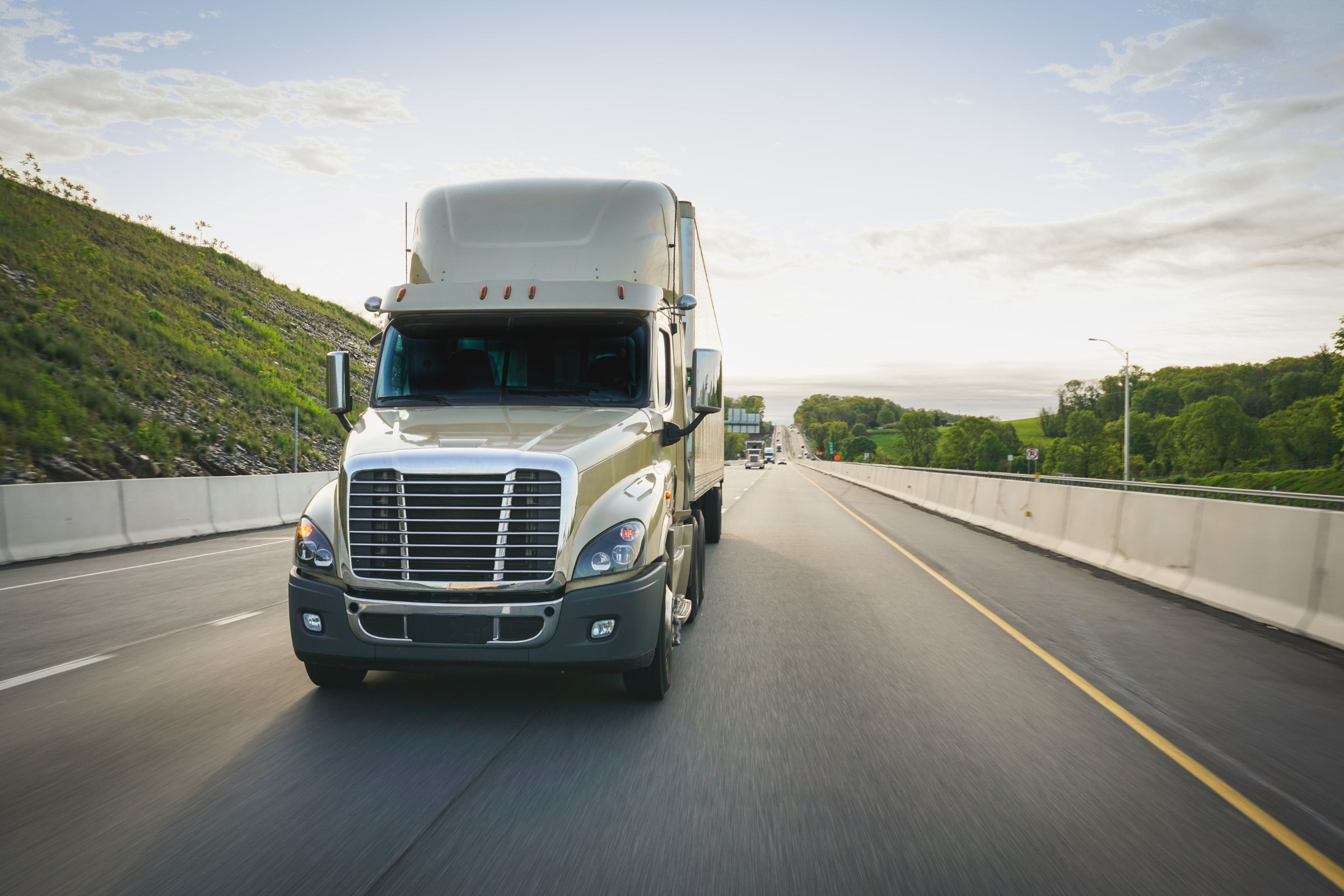
Getting a Commercial Driver’s License in Pennsylvania can open the door to careers in trucking, freight transportation, delivery, construction, passenger transportation, and other industries that depend on qualified commercial drivers.
But if you’re starting from scratch, the licensing process can seem complicated.
In general, getting a CDL in Pennsylvania involves determining which CDL class you need, applying for a Commercial Learner’s Permit, completing applicable Entry-Level Driver Training requirements, developing the necessary commercial driving skills, and passing the required CDL testing.
Professional CDL training in Pennsylvania can help you navigate that process while developing the real-world skills needed for a commercial driving career.
Smith & Solomon offers Pennsylvania CDL Training at multiple locations, including our Philadelphia CDL school for students throughout southeastern Pennsylvania.
Step 1: Decide Which CDL Class You Need
Before enrolling in CDL classes, determine what kind of commercial vehicle you want to operate.
The two primary CDL classes most prospective professional drivers consider are Class A and Class B.
Class A CDL
A Class A CDL generally qualifies drivers to operate combination vehicles with a gross combination weight rating of at least 26,001 pounds when the towed vehicle exceeds 10,000 pounds.
Tractor-trailers are the most familiar example.
Class A can be a good choice for students interested in:
- Tractor-trailer driving
- Regional trucking
- Over-the-road freight
- Local Class A freight
- Tanker or specialized transportation with applicable qualifications
Class B CDL
A Class B CDL generally applies to qualifying heavy single vehicles and combinations where the towed vehicle does not exceed the applicable 10,000-pound threshold.
Potential vehicles can include straight trucks, buses, dump trucks, and other commercial vehicles.
Not sure which path fits your goals? Read our guide comparing Class A vs. Class B CDL in Pennsylvania before choosing your program.
Step 2: Apply for a Pennsylvania Commercial Learner’s Permit
Before practicing commercial driving skills on public roads, you’ll need to obtain the appropriate Commercial Learner’s Permit (CLP).
Pennsylvania applicants generally begin by completing the required PennDOT Commercial Learner’s Permit application and self-certification documentation. Depending on the type of commercial driving you intend to perform, applicable medical certification requirements may also need to be satisfied.
PennDOT then uses a Knowledge Test Authorization process for the requested CDL class, endorsements, or restriction removals. After successfully completing the applicable knowledge testing, an applicant can receive the Commercial Learner’s Permit needed to begin practicing driving skills.
Requirements can change, so applicants should confirm current licensing procedures directly with PennDOT while preparing for their CDL.
Step 3: Complete Required Entry-Level Driver Training
Federal Entry-Level Driver Training (ELDT) requirements apply to many new commercial drivers.
ELDT generally applies when a driver is:
- Obtaining a Class A CDL for the first time
- Obtaining a Class B CDL for the first time
- Upgrading from Class B to Class A
- Obtaining certain endorsements for the first time
Applicable training must be completed through a provider that meets federal Training Provider Registry requirements.
This is one reason choosing a professional CDL school matters. Training should not simply help you memorize answers. It should develop the knowledge, safety awareness, and practical skills you’ll use as a professional driver.
Step 4: Complete Professional CDL Training
Once you’re progressing through the permit and ELDT requirements, professional CDL training helps turn classroom knowledge into practical driving ability.
Quality Commercial Driver’s License Training typically combines three major components.
Classroom Training
Students learn commercial vehicle safety, regulations, vehicle systems, inspections, permit-related material, defensive driving, and other foundational knowledge.
Yard Training
In a controlled training environment, students practice vehicle inspections, backing, maneuvering, coupling procedures when applicable, and commercial vehicle control.
Behind-the-Wheel Training
Students then develop real-world experience under supervision, practicing skills such as turning, lane positioning, traffic awareness, braking, speed management, and defensive driving.
This combination helps prepare students not only for CDL testing, but also for the responsibilities they’ll face after entering the workforce.
Step 5: Practice With Your Commercial Learner’s Permit
After obtaining the appropriate CLP, you’ll use the permit to develop the driving skills necessary for the CDL skills test.
Pennsylvania requires a waiting period before a new Class A, B, or C permit holder can take the applicable CDL skills test, so this period provides an important opportunity to practice.
Working with professional instructors allows students to build skills systematically rather than simply practicing enough to attempt the test.
Training can include:
- Pre-trip inspection procedures
- Backing
- Vehicle control
- Turning
- Road positioning
- Mirror use
- Defensive driving
- Hazard recognition
- Safe commercial vehicle operation
Step 6: Prepare for the Pennsylvania CDL Skills Test
The CDL skills testing process evaluates whether you can safely perform the practical tasks required to operate a commercial vehicle.
Your CDL training should prepare you for the applicable testing requirements while helping you understand why those skills matter on the job.
Instead of treating testing as the end goal, think of it as one milestone in becoming a safe professional driver.
For students wondering how much time they should plan for the entire process, our guide to How Long Does CDL Training Take? provides additional information about training timelines.
Step 7: Consider CDL Endorsements
Your CDL class determines the general types of commercial vehicles you’re permitted to operate, but endorsements can expand your qualifications for certain vehicles, cargo, or operations.
Depending on your career goals, you may eventually consider endorsements involving:
- Tank vehicles
- Hazardous materials
- Doubles and triples
- Passenger vehicles
- School buses
Each endorsement has its own requirements, and some require additional knowledge testing, training, background checks, or other qualifications.
Think about endorsements in terms of your intended career. There’s little value in pursuing every possible qualification if it doesn’t support the work you actually want to do.
Step 8: Begin Your Commercial Driving Career
Earning your CDL is the beginning of your commercial driving career, not the end of the process.
Pennsylvania drivers may find opportunities across:
- Freight transportation
- Warehousing and distribution
- Construction
- Local delivery
- Regional trucking
- Over-the-road transportation
- Passenger transportation
- Municipal services
- Specialized hauling
Your available opportunities will depend on your CDL class, endorsements, driving record, experience, location, and individual employer requirements.
Smith & Solomon provides Job Placement Assistance to help qualified graduates explore employment opportunities after completing their training.
Where Can I Get CDL Training in Pennsylvania?
Smith & Solomon provides commercial driver training at multiple Pennsylvania locations, helping students access professional instruction in different regions of the state.
Our Pennsylvania campuses include:
Students in the greater Philadelphia region can attend our Philadelphia CDL Training campus. The location also serves aspiring drivers from nearby communities, including Levittown, Bensalem, Bristol, and other parts of southeastern Pennsylvania.
Visit our Pennsylvania CDL Training page to compare locations and learn more about available CDL programs.
Start Your Pennsylvania CDL Journey With Smith & Solomon
Getting a CDL requires more than passing a test. You’re preparing to take responsibility for operating large commercial vehicles safely and professionally, which makes quality training an important investment in your future.
For more than 40 years, Smith & Solomon has helped aspiring commercial drivers develop the knowledge, practical skills, and confidence needed to enter the transportation industry.
If you’re ready to start CDL training in Pennsylvania, contact Smith & Solomon to discuss Class A and Class B training, Pennsylvania locations, current schedules, and the next steps toward beginning your commercial driving career.
Frequently Asked Questions
How do I get a CDL in Pennsylvania?
The process generally involves determining the CDL class you need, applying for a Commercial Learner’s Permit, passing applicable knowledge testing, completing required ELDT, developing your commercial driving skills, and passing the required CDL skills test.
Do I need CDL training before getting a CDL in Pennsylvania?
Federal ELDT requirements apply to many first-time Class A and Class B applicants, Class B drivers upgrading to Class A, and applicants seeking certain endorsements for the first time. Professional CDL training also provides practical classroom, yard, and road instruction that can help prepare you for testing and employment.
How long do I have to hold a CDL permit before taking the skills test in Pennsylvania?
Pennsylvania currently requires a minimum 15-day waiting period from the date a Class A, B, or C Commercial Learner’s Permit is issued before the applicable skills test can be taken. Applicants should verify current requirements with PennDOT when beginning the licensing process.
Should I get a Class A or Class B CDL in Pennsylvania?
Class A generally provides broader flexibility and is commonly associated with tractor-trailers and combination vehicles. Class B may be appropriate for careers involving qualifying straight trucks, buses, municipal vehicles, and other heavy single vehicles. Your career goals should determine which license you pursue.
Where does Smith & Solomon offer CDL classes in Pennsylvania?
Smith & Solomon provides CDL training in Pennsylvania through locations in Philadelphia, Norristown, and Dupont. Students in southeastern Pennsylvania can explore our Philadelphia CDL school for local program information.