Local vs OTR Truck Driving: Which Is Better?

One of the biggest decisions new CDL drivers face is choosing between local truck driving and over-the-road (OTR) trucking. Both career paths offer unique benefits, challenges, and earning opportunities. The right choice often depends on your lifestyle, financial goals, and what you want from your trucking career.
Many students entering CDL training programs ask whether local routes or OTR driving is the better option. The truth is that neither path is universally better. Each offers advantages that appeal to different drivers at different stages of their careers.
Understanding the differences between local and OTR trucking can help you make a more informed decision as you begin your journey in the transportation industry.
What Is Local Truck Driving?
Local truck driving typically involves operating commercial vehicles within a specific geographic area. Drivers often complete deliveries and return home at the end of their shift.
Common local driving jobs include:
- Delivery truck routes
- Food and beverage distribution
- Construction and dump truck operations
- Local freight transportation
- Utility and municipal driving positions
Many drivers choose local trucking because it allows them to maintain a consistent routine while staying close to family and home.
What Is OTR Truck Driving?
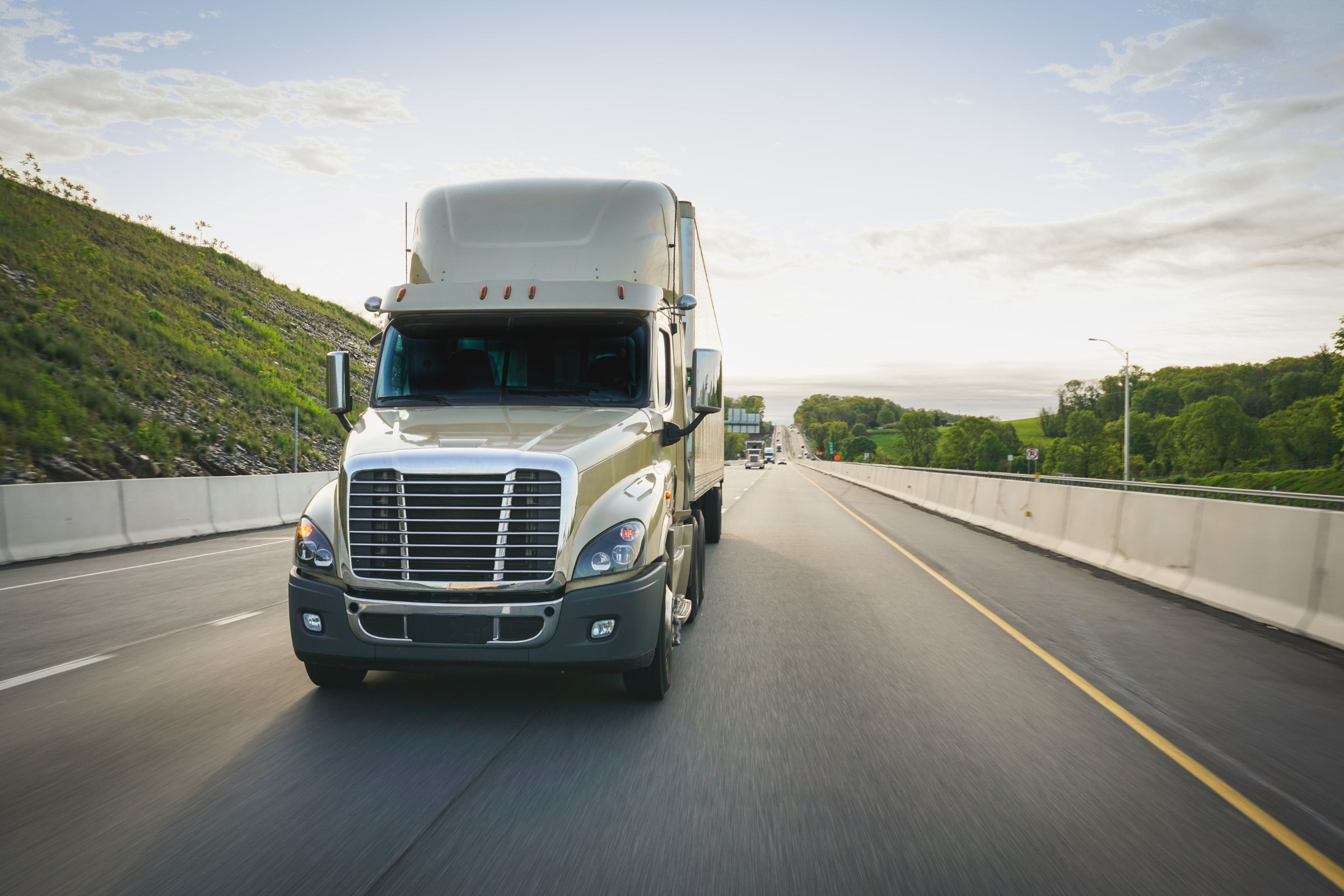
Over-the-road trucking involves transporting freight across longer distances, often traveling through multiple states and spending several days or weeks on the road.
OTR drivers may haul:
- Consumer goods
- Retail products
- Manufacturing materials
- Food and beverage shipments
- Specialized freight
OTR trucking plays a critical role in the national supply chain and offers opportunities to see different parts of the country while gaining valuable driving experience.
Students pursuing commercial driver’s license training often begin exploring OTR opportunities because they are frequently available to new CDL graduates.
Comparing Local vs OTR Truck Driving
Home Time
One of the most significant differences between local and OTR trucking is time spent at home.
Local Truck Driving
- Typically home every day
- More predictable schedules
- Better suited for drivers with family commitments
OTR Truck Driving
- May spend days or weeks away from home
- Extended travel periods
- More flexibility for drivers who enjoy life on the road
For drivers who prioritize family time and routine, local routes are often the preferred choice.
Earning Potential
Many people assume OTR drivers always earn more, but the reality is more nuanced.
Local Truck Driving
- Steady hourly or route-based pay
- Consistent schedules
- Potential for overtime opportunities
OTR Truck Driving
- Often paid by the mile
- Potential for higher annual earnings
- Additional bonuses and incentives may be available
Income can vary based on experience, endorsements, employer, and location. Drivers who obtain specialized endorsements often increase their earning potential regardless of route type.
Lifestyle Considerations
Your preferred lifestyle should play a major role in deciding between local and OTR trucking.
Local Driving May Be Ideal If You:
- Want to be home every night
- Prefer predictable schedules
- Have family responsibilities
- Enjoy working within your community
OTR Driving May Be Ideal If You:
- Enjoy travel and independence
- Want to experience different regions
- Are comfortable spending extended time away from home
- Prefer long-distance driving
Neither lifestyle is inherently better. Success often comes from choosing the option that aligns with your personal goals.
Job Availability and Demand
Both local and OTR drivers remain in demand across the country.
The growth of e-commerce, retail distribution, construction, and manufacturing continues to create opportunities for qualified CDL drivers. Local delivery networks have expanded significantly in recent years, while long-haul freight remains essential to keeping supply chains moving.
Students graduating from CDL training programs often find opportunities in both segments of the industry.
Experience Requirements
Many new drivers begin their careers in OTR trucking because some employers offer entry-level opportunities that allow graduates to build experience quickly.
However, local driving opportunities are also available for new CDL holders, especially in industries such as:
- Delivery services
- Construction
- Transit operations
- Waste management
- Utility services
As drivers gain experience, they often have more flexibility to choose the route type and schedule that best fits their needs.
Which Option Offers Better Career Growth?
Both local and OTR trucking can lead to long-term career advancement.
Drivers may eventually move into:
- Specialized hauling
- Tanker transportation
- Hazmat transportation
- Driver training roles
- Safety and compliance positions
- Fleet management
The key is gaining experience and continuing to develop your skills.
Students who take advantage of job placement assistance often gain access to a broader range of employment opportunities after graduation.
How CDL Training Prepares You for Both Paths
A quality CDL training program prepares students for both local and OTR driving opportunities.
During training, students learn:
- Vehicle inspection procedures
- Defensive driving techniques
- Backing and maneuvering skills
- Safety regulations
- Real-world driving scenarios
These foundational skills are valuable whether you choose local delivery routes or cross-country freight transportation.
You can explore nearby CDL school locations to find a training center that helps prepare you for either career path.
The Bottom Line: Local vs OTR Truck Driving
When comparing local vs OTR truck driving, the best option depends on your priorities.
If you value home time, routine, and predictable schedules, local trucking may be the better fit. If you enjoy travel, independence, and the opportunity to see more of the country, OTR trucking may offer the experience you are looking for.
The good news is that earning your CDL gives you access to both career paths. As your experience grows, you can adjust your career direction based on your evolving goals and lifestyle.
No matter which path you choose, professional CDL training provides the foundation needed to build a successful and rewarding career in the transportation industry.
Contact Smith & Solomon to begin your career as a CDL driver today!
Frequently Asked Questions
Do local truck drivers make less than OTR drivers?
Not necessarily. While some OTR positions offer higher earning potential, many local drivers earn competitive wages, especially with experience and specialized endorsements.
Is OTR trucking good for beginners?
Yes. Many new CDL graduates begin with OTR positions because they provide valuable experience and consistent job opportunities.
Can I switch from OTR to local trucking later?
Absolutely. Many drivers start in OTR trucking and transition to local routes after gaining experience.
Which type of trucking offers better work-life balance?
Local trucking generally provides more home time and predictable schedules, making it a popular choice for drivers seeking greater work-life balance.
Do I need different CDL licenses for local and OTR trucking?
No. The same CDL license can qualify you for both local and OTR opportunities, depending on the type of vehicle and job requirements.