What to Look for in a High-Quality CDL Driving School Curriculum
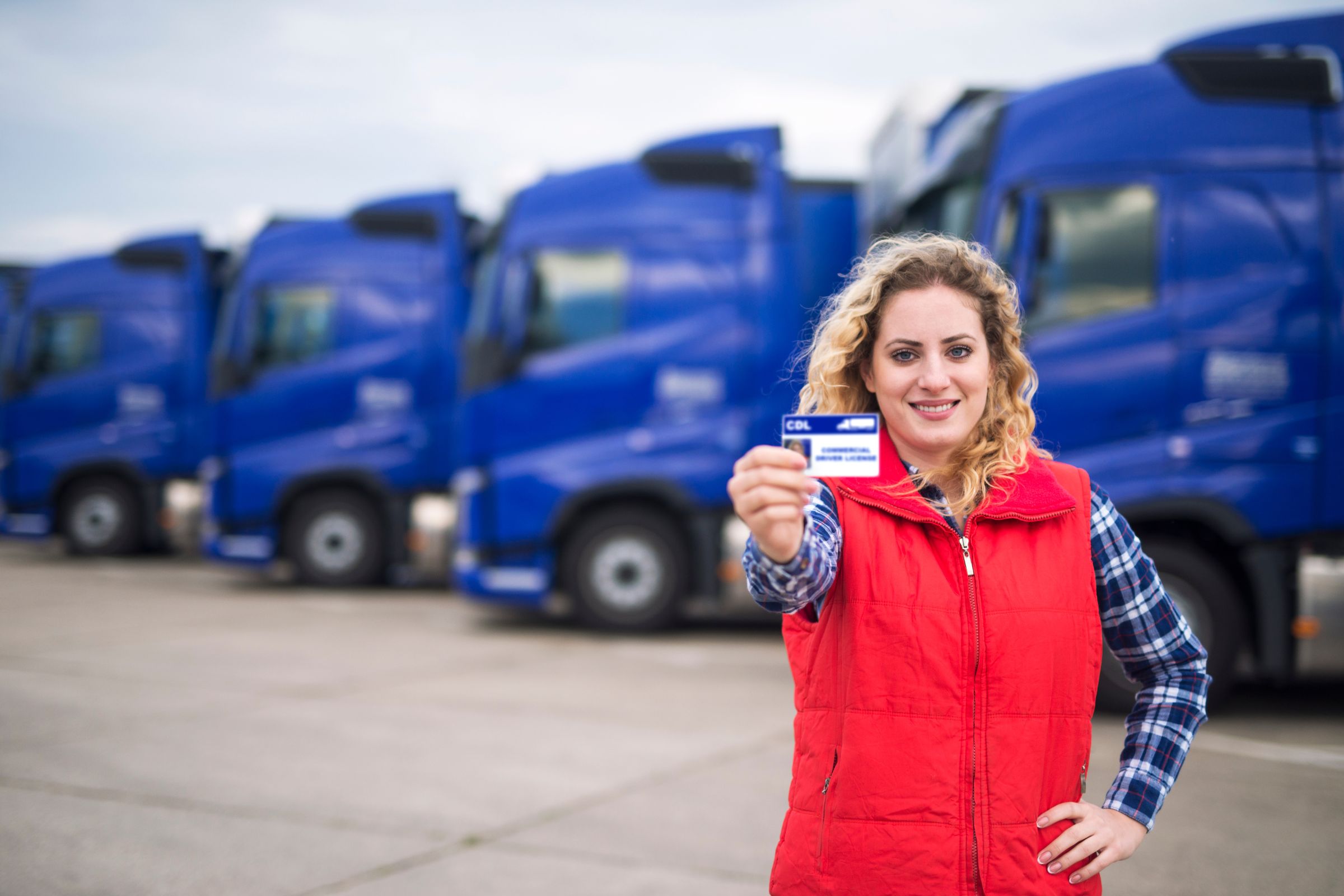
Choosing the right CDL driving school curriculum can make the difference between simply earning your license and building a successful, long-term career in the trucking industry. A high-quality CDL training program ensures you’re prepared for every aspect of the job — from road safety to compliance — so you can confidently step into the driver’s seat and hit the road.
Core Components of a High-Quality CDL Training Program
When evaluating CDL school programs, it’s important to make sure the curriculum covers every fundamental aspect of commercial driving. A well-structured program should include:
- Classroom instruction on state and federal driving regulations, Department of Transportation (DOT) compliance, and logbook management.
- Vehicle systems and maintenance training so you understand inspections, troubleshooting, and preventive care.
- Safety procedures for defensive driving, cargo handling, and hazardous conditions.
The best CDL school programs also balance theory with practice, ensuring students can apply what they’ve learned on the road.
The Importance of Hands-On Driving Experience
One of the defining features of a high-quality CDL training program is the amount of actual time you spend behind the wheel. Look for a school that offers:
- Training on various types of trucks and trailers.
- Driving practice in different traffic scenarios and weather conditions.
- Real-world route simulations that mirror the challenges you’ll face on the job.
A CDL training course that focuses heavily on hands-on driving ensures you graduate with the confidence and skills to handle real-world trucking demands.
Specialized CDL Course Features That Set Programs Apart
Beyond the basics, top-tier CDL school programs provide opportunities to expand your qualifications and boost your employability. This might include:
- Endorsement training for Hazmat, Passenger, or Tanker certifications.
- Refresher courses for experienced drivers who need to update their skills.
- Job placement support with connections to trusted trucking companies.
These added features make a CDL driving school curriculum not only comprehensive but career-focused.
How to Compare CDL Training Programs
When choosing the best CDL school programs, ask questions such as:
- What is the student-to-instructor ratio?
- How modern is the training fleet?
- What percentage of graduates find jobs quickly after completion?
Evaluating these factors will help you select a school that invests in your success from day one.
Conclusion
The value of a CDL driving school curriculum lies in its ability to fully prepare you for a safe, successful, and sustainable career. From thorough classroom learning to extensive road practice and career placement support, the best CDL school programs are designed with your future in mind. Choosing a program with these qualities will set you on the road to long-term trucking success.